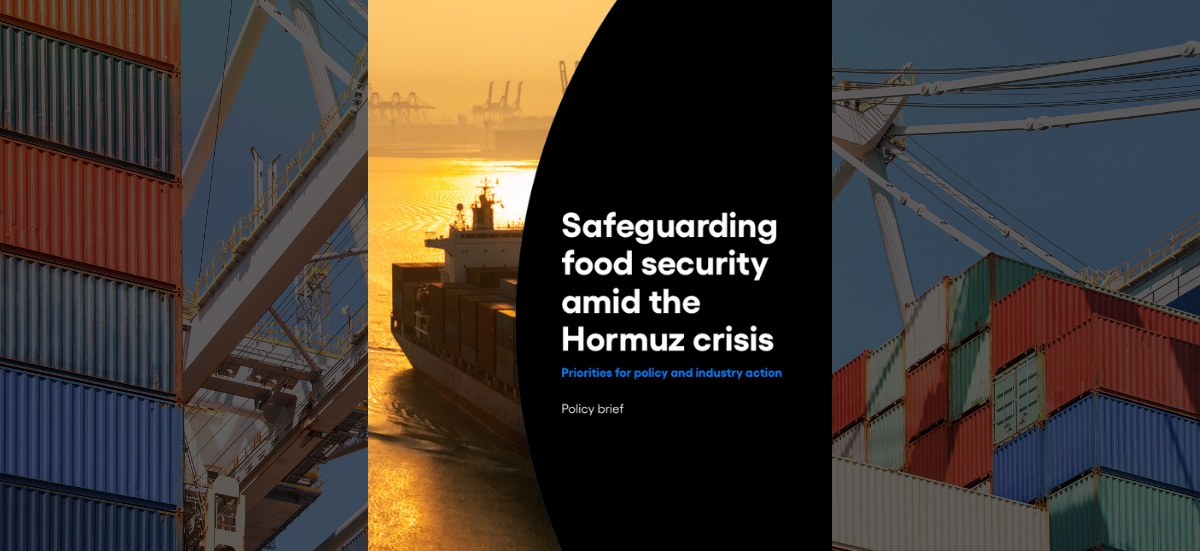
Proposed UN mechanism to reopen Hormuz to commercial shipping
ICC is supporting a new confidence-building mechanism developed by the UN Secretary-General’s Strait of Hormuz Task Force;
ICC has issued a statement in response to new “Section 301” tariffs announced by the United States Trade Representative.
With multilateral negotiations at an impasse, plurilateral trade agreements are the primary route to new ones. This ICC policy paper offers a fresh vision for unlocking the potential of plurilaterals in step with how business actually trades today.
In this guest blog, Omani & Partners share perspectives on how cross-border disputes are no longer limited to contractual disagreements. In regions such as the Middle East and North Africa (MENA), growing investment and legal reforms are increasing complexity.
HARA, an Indonesian agri-data firm, depends on global Cloud computing to process the information that enables traceability, compliance and access to finance across agricultural supply chains.
From reducing costs to enhancing productivity, artificial intelligence (AI) is reshaping global trade and creating new opportunities for companies of all sizes and geographical locations to expand their reach in the global economy.
The ICC Institute of World Business Law appointed 10 new Council members during its 97th Council meeting on 13 November.
The ICC, with support from Singapore’s IMDA and the Mining and Metals Digitalization Forum (MMDF), unveiled today a practical guide to help governments and businesses implement paperless trade systems, that cut cost, time and risk in cross-border commerce.
Leverage the world’s most comprehensive benchmark for trade and supply chain finance. Backed by over a decade of aggregated data from leading global banks and over $25.7 trillion in transactions
Country and regional analyses underscore urgency of WTO reform [...]
New ICC brief outlines why tariffs on cross-border services are unworkable and what policymakers should do instead.
Mediation under the World Trade Organization (WTO) Dispute Settlement Understanding can help governments resolve trade frictions faster, cheaper and more constructively – if they’re willing to use it. ICC is making the case.